
The Best Time of Year to Paint Your House Exterior in New England
· By Joezer Rocha
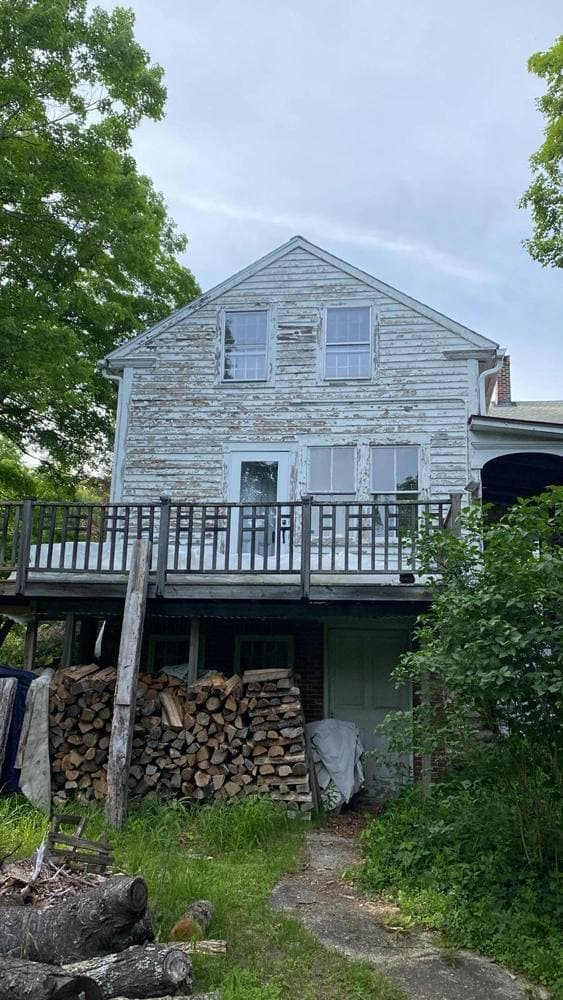
New England gives painters a narrow window. Winters are long and cold, spring runs wet and unpredictable, and by fall the nights drop fast. Timing an exterior paint job in Greater Boston is not a small detail. It is the single biggest factor, after prep, in how long your finish holds up against sun, salt air, freeze-thaw cycles, and driving rain.
Paint is a chemical product. It needs specific temperature and moisture conditions to cure into a durable, adhered film. Rush it into the wrong week and you can get peeling, blistering, or poor adhesion within a season, even with a premium product. This guide walks through the real seasonal windows in Massachusetts, what temperature and humidity actually do to a coating, and how to plan so your paint lasts.
The short answer: late spring through early fall
In most of Greater Boston, the reliable exterior painting window runs from mid-May through mid-October. That range gives you the daytime warmth, overnight temperatures, and lower humidity that modern acrylic latex paints need to cure correctly.
The sweet spot inside that window is often late summer into early fall, roughly late August through the end of September. By then the heavy spring rains have passed, humidity typically eases, days are still warm, and nights have not yet turned cold. Many painters in the region consider this stretch close to ideal for exterior work.
It helps to think of the window in two halves. Late spring and early summer are good for getting on the calendar and knocking out prep, but they can be interrupted by wet weather and lingering cool nights. Late summer and early fall tend to offer the steadiest run of workable days. If your project is large, a multi-story home or a full repaint with heavy prep, aiming for the earlier part of the window gives the crew room to finish before the fall nights close it down.
Why temperature matters more than the calendar
Most exterior latex paints are formulated to be applied when both air and surface temperatures stay above roughly 50 degrees Fahrenheit, and some products need it warmer. Just as important is the overnight low. If the temperature drops near or below that threshold before the coating has cured, the paint film can fail to form properly, which shows up later as cracking or poor adhesion.
Heat has its own problems. On a 90-degree July afternoon, direct sun can push a wall surface well past 100 degrees. Paint then dries too fast on top, called flashing or lap marks, before it can level and bond. A skilled crew works around this by following the shade, painting the east side in the morning and the west side later, but extreme heat still narrows the usable hours in a day.
This is why the shoulder seasons, late spring and early fall, are prized. Moderate days and mild nights let the coating cure at a steady pace instead of fighting temperature swings.
Humidity and moisture: the hidden deal-breaker
Paint needs a dry surface. Wood, clapboard, trim, and masonry all hold moisture, and New England's damp spring and coastal humidity make this a constant concern. Painting over a surface that has not fully dried after rain or morning dew traps moisture behind the film, which leads to blistering and peeling.
A good rule most crews follow: give siding at least a day or two to dry after rain before painting, longer for dense or shaded areas, and never start over morning dew that has not burned off. High humidity also slows the cure and can leave latex vulnerable to a sudden shower for longer than you would expect. Checking the forecast for a dry stretch, not just a dry day, is part of scheduling well in this climate.
Season by season in Massachusetts
Winter (December to March): generally off the table for standard exterior work. Cold surfaces and freeze-thaw cycles prevent proper curing. Some specialty products claim application down to 35 degrees, but conditions are rarely stable enough here to rely on them.
Spring (April to mid-May): tempting after a long winter, but often too wet and cold early on. Late spring can be excellent once the ground dries out and overnight lows climb. Power washing and prep can start earlier than painting.
Summer (June to August): a strong window overall, with the caveat of heat and afternoon storms. Early starts and shade-chasing keep quality high.
Fall (September to October): frequently the best of the year for exteriors, until the nights turn cold. Once you hit consistent overnight temperatures in the 40s and below, the window closes for the season.
Why booking early beats booking late
Because the reliable window is only about five months long, demand stacks up. Established painters in Greater Boston often fill their late-summer and fall exterior calendars well in advance. Homeowners who wait until they see peeling in September may find the good crews booked into the next year.
Booking your estimate in late winter or early spring puts you at the front of the line for the prime weather. It also leaves time for the prep that quietly determines paint life: scraping, sanding, priming bare wood, and repairing any rot or failed caulk. Prep done properly cannot be rushed, and it is the part of the job most responsible for how many years you get out of the finish.
How weather timing protects your investment
An exterior repaint is a significant expense, so the goal is maximum lifespan per dollar. In New England, that lifespan is decided as much by when the work happens as by the paint on the can. A quality coating applied in the right conditions can last many years; the same product applied over a damp wall in a cold snap can start failing the following spring.
The practical takeaway: plan the project around the weather instead of the other way around, and lean on a crew that will hold off a day when the conditions are wrong rather than push through to stay on schedule. If you want a read on the right timing for your specific home and exposure, a free on-site estimate is the fastest way to get a straight answer.
Frequently asked questions
- Can you paint a house exterior in winter in Massachusetts?
- For standard exterior work, no. Cold surfaces and freeze-thaw cycles keep the paint from curing properly, which leads to early failure. Winter is better used for planning and for interior projects. Exterior painting in Greater Boston is reliable roughly from mid-May through mid-October.
- What is the ideal temperature to paint outside?
- Most exterior latex paints want air and surface temperatures above about 50 degrees Fahrenheit, with overnight lows staying above that threshold until the coating cures. Mild, moderate days in late spring and early fall are ideal because they avoid both cold-snap cracking and extreme-heat flashing.
- How long should the surface dry after rain before painting?
- Give siding at least a day or two of dry weather, longer for shaded or dense areas, and let morning dew fully burn off before starting. Painting over trapped moisture is a leading cause of blistering and peeling, which matters a lot in New England's damp climate.
- When should I book to get the best weather?
- Book your estimate in late winter or early spring. The reliable painting window is only about five months long, so quality crews in Greater Boston fill their late-summer and fall calendars early. Booking ahead also leaves time for the prep that determines how long the finish lasts.
Related services
Found this helpful? Make us a preferred source on Google.
Ready for an exact price?
Get a free, no-pressure in-home estimate. Real numbers for your home, not a phone guess.