
A Homeowner's House Painting Guide for Boston, MA
· By Joezer Rocha
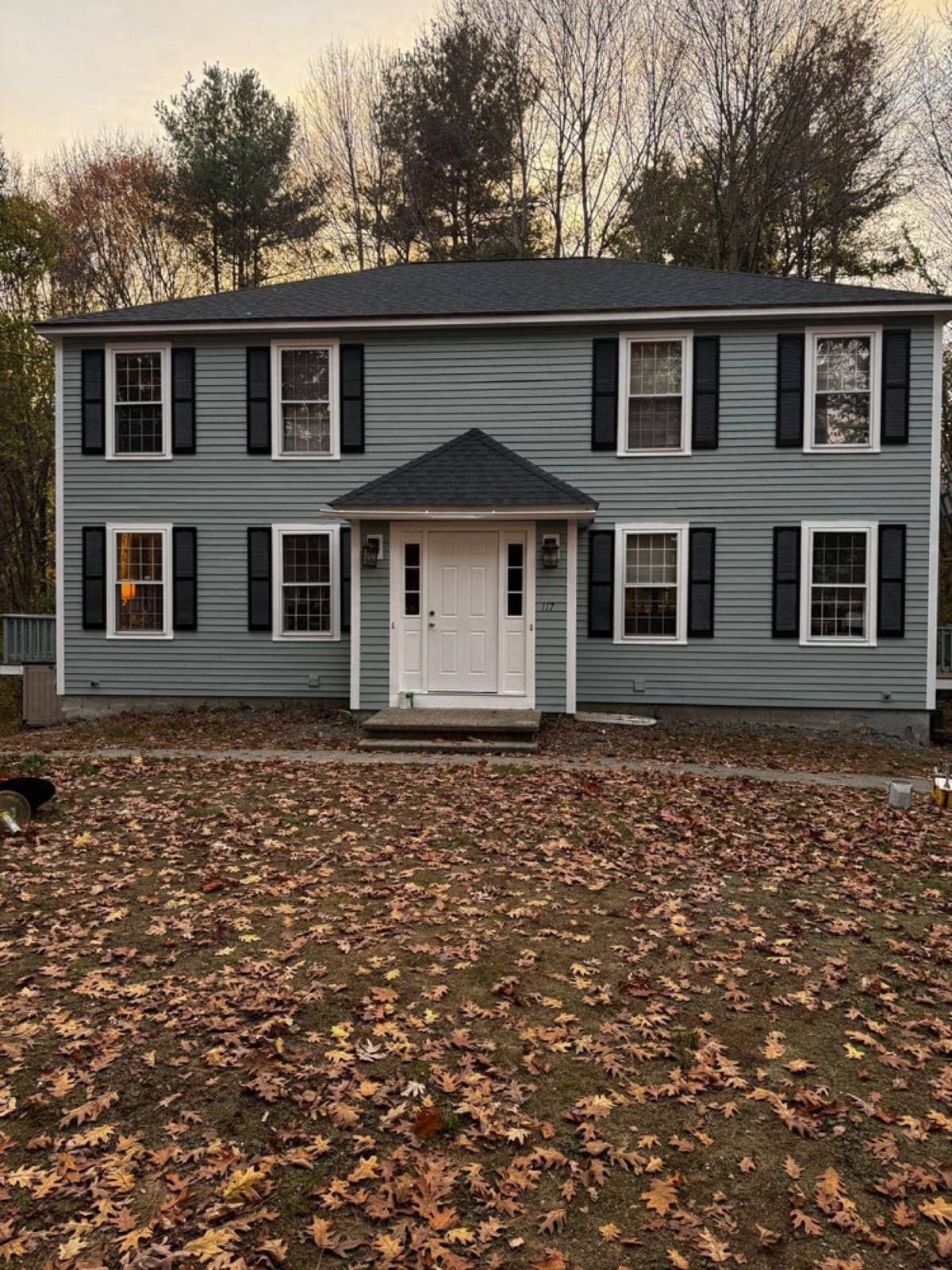
Boston is really a collection of neighborhoods, and the housing changes dramatically as you move through them. A brick bowfront in the South End, a wood triple-decker in Dorchester, a Victorian in Jamaica Plain, and a colonial in West Roxbury each ask for a different painting approach. There is no single Boston paint job, which is exactly why a local guide beats generic advice.
This guide breaks down what a Boston homeowner should consider before painting: the neighborhood-by-neighborhood housing stock, how coastal New England weather wears on exteriors, interior colors that suit these rooms, the historic-district rules that govern many blocks, and how to hire a painter who can handle old city homes correctly.
Boston housing by neighborhood
The South End and Back Bay are known for brick and brownstone row houses with bowfronts, ornate cornices, and painted iron and wood trim. Dorchester, Roxbury, and parts of Hyde Park are triple-decker country: three stacked wood units with stacked porches, the same streetcar-era workhorse found across the region. Jamaica Plain and Roslindale mix Victorians and two-families, while West Roxbury and parts of Brighton run toward colonials and single-families with more yard.
That range means the right paint plan depends heavily on where you live. Brownstone and brick facades often need masonry-savvy care or specialty coatings, while wood triple-deckers need heavy scraping, priming, and a lot of trim work. Identifying your building type is the first honest step in any Boston estimate.
Exterior painting in Boston's coastal climate
Boston combines coastal humidity, salt air near the water, wet springs, and hard freeze-thaw winters. That mix is brutal on exterior paint, especially on the exposed sides of tall triple-deckers and on south-facing brownstone trim. Longevity comes from prep more than product: scraping failing layers, drying out damp wood, priming bare spots, and caulking every joint before coating.
Plan exterior work for the warm, dry stretch from late spring into early fall, when overnight temperatures cooperate. With so many Boston homes built before 1978, lead paint is common, and lead-safe RRP practices are a must when disturbing old surfaces. Any price you find online is a placeholder, so a free on-site estimate for your actual home is the only accurate way to budget.
Interior color trends in Boston homes
Boston interiors span narrow row-house rooms with tall ceilings and ornate plaster to compact triple-decker units with simpler trim. In the grander homes, homeowners lean into rich, saturated colors, deep greens, moody blues, and warm neutrals, that hold up against big windows and high ceilings. In smaller units, light warm whites and soft greige keep tight rooms feeling open.
Plaster is everywhere in older Boston homes, and its cracks and waves need proper filling and priming to paint cleanly. Cabinet refinishing is also a strong value play, especially in row houses and triple-deckers where full kitchen replacements are costly and disruptive. Refreshing solid cabinet boxes with paint updates a kitchen at a fraction of the cost.
Historic districts and permits in Boston
Many Boston neighborhoods sit within local historic districts overseen by the Boston Landmarks Commission and district-specific commissions, including Back Bay, Beacon Hill, the South End landmark areas, and others. In these districts, exterior changes visible from the street, sometimes including paint color, may require a certificate before work proceeds. This is a real difference from painting a home in an unregulated part of the city.
For a like-for-like repaint the process is often smooth, but a color change on a protected facade can trigger review. Confirm whether your address is in a district and what it permits before you settle on a new palette. A painter who works across Boston should know to raise this early.
Choosing a painter for a Boston home
For Boston homes, hire a painter who is licensed, insured, and experienced with old brick, brownstone, and wood-frame construction, along with lead-safe practices for pre-1978 houses. Ask for recent work in your type of home and neighborhood, and get a written scope that spells out prep, number of coats, and included surfaces.
Dense blocks mean staging, parking, and neighbor coordination are part of the job, so ask how the painter handles them. An owner-operated local painter who knows Boston's districts and housing stock is worth more than a crew unfamiliar with the city, and a free same-day estimate lets you compare before committing.
Frequently asked questions
- Do Boston historic districts control what color I can paint?
- In some districts, yes. Areas like Back Bay and Beacon Hill are overseen by historic commissions that can review exterior changes visible from the street, sometimes including paint color. Check whether your address is in a district before choosing a new scheme.
- What is the best season to paint a Boston exterior?
- Late spring through early fall is ideal, when overnight temperatures stay warm enough for paint to cure and surfaces can dry between coats. Boston's coastal humidity and winter freeze-thaw make off-season painting risky for durability.
- Are triple-decker exteriors more expensive to paint?
- They can be, because you are covering three stories of wood siding plus a lot of porch and trim detail, which needs staging and extra prep. Every home is different, so a free on-site estimate based on your building's size and condition is the accurate way to price it.
Found this helpful? Make us a preferred source on Google.
Ready for an exact price?
Get a free, no-pressure in-home estimate. Real numbers for your home, not a phone guess.