
A Homeowner's House Painting Guide for Framingham, MA
· By Joezer Rocha
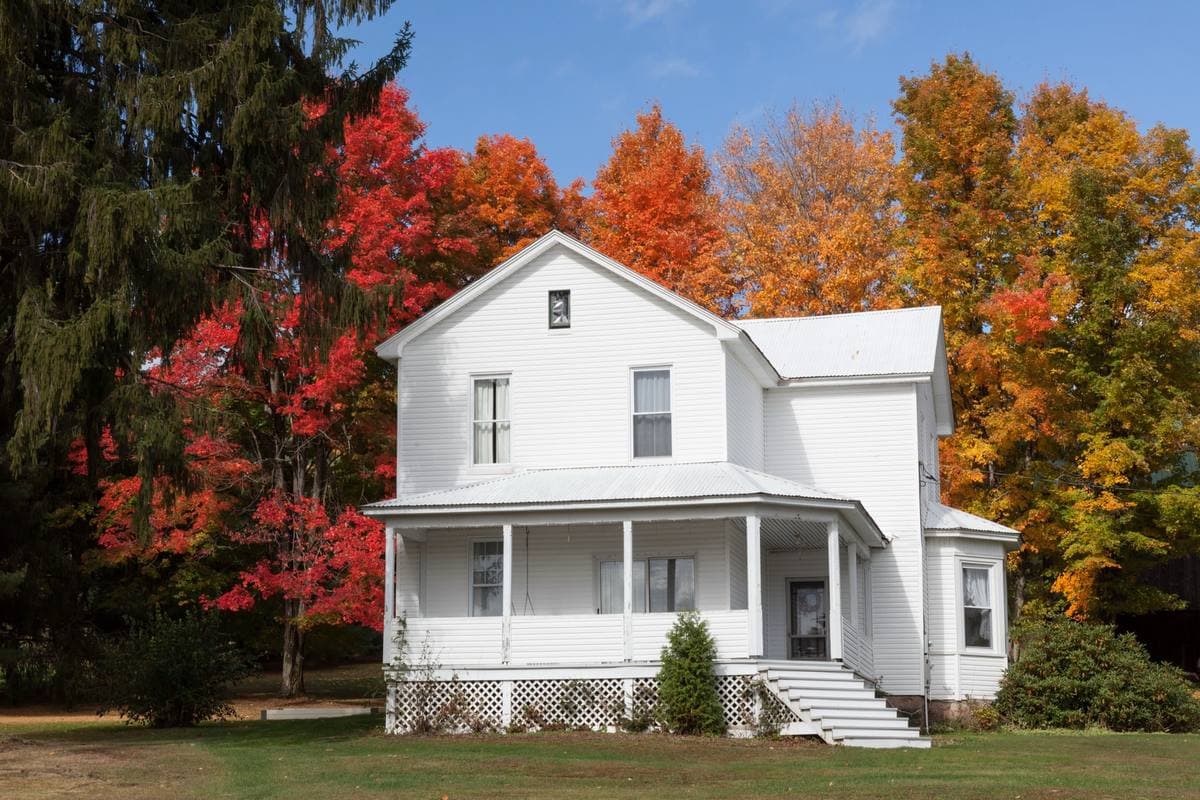
Framingham is the largest community in MetroWest and blends suburban single-families with older mill-town neighborhoods. From the Victorians and colonials around Framingham Centre to the capes and cottages in Saxonville and Nobscot, and the denser homes near downtown, painting here means working across a real range of ages and styles on lots that are usually more generous than the inner suburbs.
This guide covers what a Framingham homeowner should think about before painting: the local housing stock, how MetroWest weather affects exteriors, interior color directions that fit these homes, notes on the town's historic areas, and how to hire a painter who can handle everything from a century-old Victorian to a mid-century cape.
Framingham's mix of homes
Framingham Centre and the older northern neighborhoods hold Victorians, colonials, and antique homes, some dating well back into the 1800s near the historic common. Saxonville, once a mill village, carries older worker housing, capes, and cottages. Nobscot and the western reaches include ranch and mid-century single-families, while areas near downtown and the south side mix two-families and denser housing.
This range means Framingham paint projects vary a lot: an antique colonial needs very different care than a 1960s ranch. Wood siding dominates the older stock, while newer homes may have vinyl or composite surfaces that call for a different approach. Identifying your home's age, style, and siding material is the first step toward a realistic plan.
Exterior painting for MetroWest weather
Framingham sees the full range of inland New England weather: wet springs, humid summers, and cold winters with real freeze-thaw stress. Older wood-sided homes lift paint when moisture gets behind the siding, so durability depends on thorough prep, scraping, sanding, priming bare wood, and caulking, done during the dry warm season from late spring to early fall.
On generous suburban lots, staging and access are usually easier than in the dense inner suburbs, but larger homes and antique properties still take real labor. Many older Framingham homes predate 1978, so lead-safe RRP practices apply to old layers. Because homes range from antiques to mid-century builds, a free on-site estimate is the reliable way to price your specific exterior.
Interior colors and finishes for Framingham homes
Framingham interiors span formal Victorian and colonial rooms to open mid-century layouts. In older homes with original trim and built-ins, warm whites and heritage neutrals let the woodwork shine, with deeper accents in dining rooms and studies. In ranches and mid-century homes, brighter open-plan spaces suit clean, contemporary neutrals and the occasional bold accent wall.
Older homes often have plaster walls that need proper repair before painting, while newer homes typically have drywall that paints more predictably. Cabinet repainting is popular across both, refreshing a kitchen affordably whether it is a period colonial or a mid-century ranch, without the cost and disruption of replacing solid cabinetry.
Historic areas around Framingham Centre
Framingham has areas of genuine historic character, especially around Framingham Centre Common, where antique homes and civic buildings cluster near the old town green. The town has recognized historic resources, and if your property is designated or within a historic area, exterior changes may be subject to review before a major color change on a visible facade.
For most Framingham homeowners a standard repaint is straightforward, but owners of antique or historically significant homes should confirm any requirements before changing an exterior scheme. Using color to respect an antique home's period character, rather than fighting it, keeps these properties looking their best. A local painter can help you strike that balance.
Choosing a painter for a Framingham home
Because Framingham homes range so widely, look for a painter comfortable with both antique wood homes and newer construction. Confirm they are licensed and insured and follow lead-safe practices on pre-1978 houses. Ask for recent local work on homes like yours and a written scope covering prep, number of coats, and every included surface.
For an antique home, ask about how they handle old wood and plaster; for a newer home, ask how they prep vinyl or composite surfaces. An owner-operated local painter who works across MetroWest and knows this mix of housing will give you a result suited to your specific home, and a free same-day estimate lets you compare before you decide.
Frequently asked questions
- Does Framingham have historic areas that affect painting?
- Framingham has historic character and resources, especially around Framingham Centre Common. If your home is designated or in a historic area, exterior changes may need review. Confirm your address status before a major exterior color change on a visible facade.
- How does painting differ for an antique home versus a newer one?
- Antique homes usually have wood siding and plaster that need heavy prep, scraping, priming, and lead-safe practices on old layers. Newer homes may have vinyl or composite surfaces and drywall that call for different prep. A painter should tailor the approach to your home's age and materials.
- When should I schedule exterior painting in Framingham?
- Late spring through early fall is best, when temperatures stay warm enough for paint to cure and surfaces can dry between coats. Booking early in the season also helps ensure the full exterior finishes before cold weather returns to MetroWest.
Found this helpful? Make us a preferred source on Google.
Ready for an exact price?
Get a free, no-pressure in-home estimate. Real numbers for your home, not a phone guess.