
A Homeowner's House Painting Guide for Quincy, MA
· By Joezer Rocha
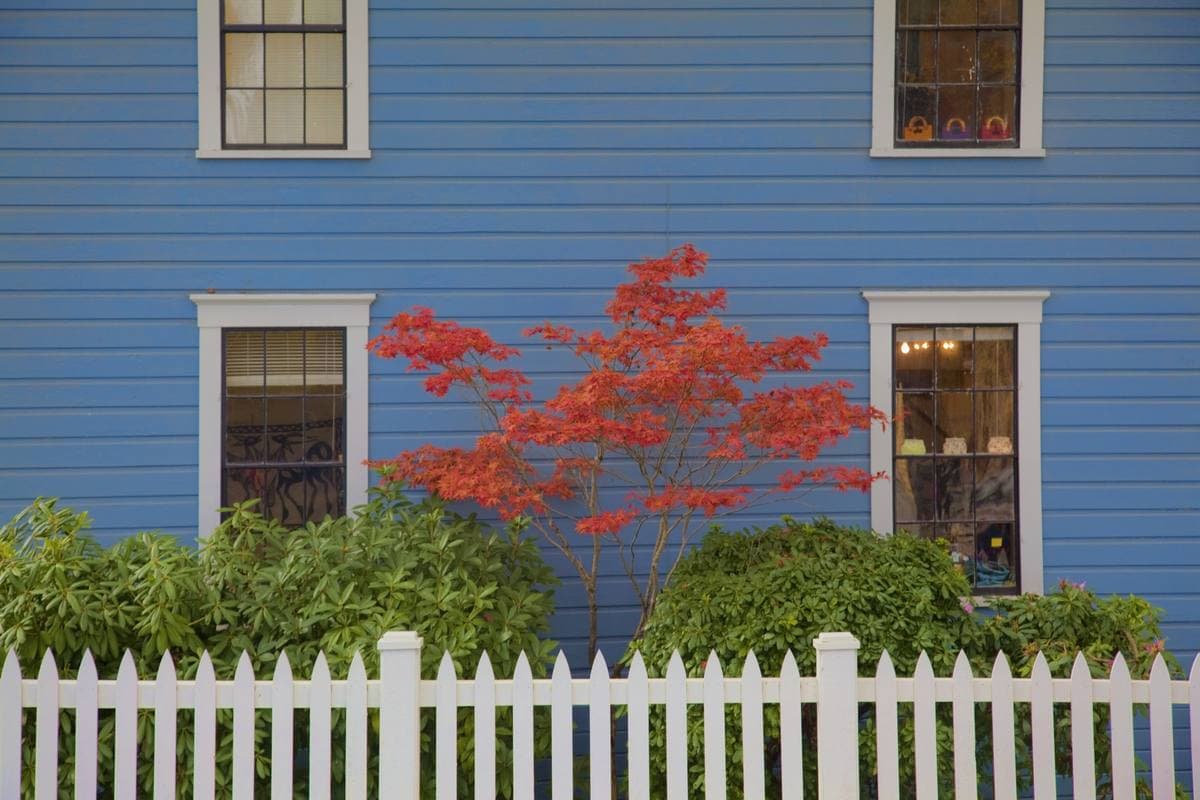
Quincy, the City of Presidents, sits right on the coast south of Boston, and that location shapes everything about painting here. From capes and colonials in Wollaston and Merrymount to older homes near Quincy Center and waterfront properties in Houghs Neck and Squantum, homeowners deal with salt air, wind, and sun that many inland towns never face.
This guide covers what a Quincy homeowner should consider before painting: the neighborhood housing stock, how coastal weather punishes exteriors, interior color directions that suit these homes, notes on the city's historic character, and how to hire a painter who understands what salt air does to paint over time.
Quincy neighborhoods and their homes
Wollaston and Merrymount hold classic New England colonials, capes, and gambrels, many with wood clapboard or shingle siding. Quincy Center and areas nearby carry older Victorians and two-families, while Houghs Neck, Germantown, and Squantum include waterfront and near-water homes that take the brunt of coastal exposure. North Quincy mixes single-families and multi-family homes in a denser pattern.
The big variable in Quincy is proximity to the water. A home a few blocks inland weathers differently than one facing the bay, and that affects how often it needs painting and how aggressive the prep must be. Knowing your home's style and its exposure to salt air is the starting point for any realistic paint plan.
Exterior painting in a coastal climate
Coastal Quincy is tough on exterior paint. Salt-laden air, strong wind, driving rain, and intense sun on exposed faces all shorten the life of a coating, and freeze-thaw winters add to the stress. Homes closer to the water often need repainting sooner than inland ones. The defense is thorough prep and quality materials: washing off salt and grime, scraping failing paint, priming bare wood, and caulking every joint.
Power washing is especially valuable near the coast, since salt residue and mildew build up on siding and must come off before painting. Plan exterior work for the dry warm season from late spring to early fall. Many Quincy homes predate 1978, so lead-safe RRP practices apply to older layers. Because exposure varies so much, a free on-site estimate is the honest way to price your job.
Interior colors and finishes for Quincy homes
Quincy interiors range from cozy cape rooms to more formal colonial layouts. Coastal-leaning palettes are popular and fitting: soft whites, warm greige, and calm blues and greens that echo the water and keep smaller cape rooms feeling bright. In colonials with more formal rooms, deeper accents in a dining room or study add warmth.
Capes and older homes often have lower ceilings and compact rooms, where light colors and crisp trim make a real difference. Plaster walls in older Quincy homes benefit from proper repair before painting. Cabinet repainting is a smart update in these kitchens, refreshing the space affordably instead of replacing cabinetry that is often still solid.
Historic character and the President's city
Quincy takes its history seriously as the birthplace of two presidents, and the city has historic properties and areas of real character, particularly around Quincy Center and the Adams National Historical Park vicinity. If your home is historically designated or in an area with review, exterior changes may need confirmation before a major color change on a visible facade.
For most Quincy homeowners a standard repaint is straightforward, but if you own an older or notable property, it is worth checking whether any review applies before changing an exterior color scheme. A local painter familiar with the city can help you keep a home's character while giving it a durable, fresh finish.
Choosing a painter for a coastal Quincy home
For a coastal home, hire a painter who understands what salt air and sun do to paint and who prioritizes prep, washing, priming, and caulking, that makes a coating last near the water. Confirm the painter is licensed and insured and follows lead-safe practices on pre-1978 homes. Ask for recent local work and a written scope covering prep, coats, and included surfaces.
Ask specifically how they handle salt residue and mildew, since skipping proper cleaning near the coast leads to early failure. An owner-operated local painter who knows Quincy's coastal conditions will give you a more durable result than a crew unfamiliar with waterfront homes, and a free same-day estimate lets you compare before deciding.
Frequently asked questions
- Why does paint fail faster on coastal Quincy homes?
- Salt air, wind, driving rain, and strong sun all wear coatings down faster near the water, and freeze-thaw winters add stress. Homes closer to the bay often need repainting sooner. Thorough cleaning and prep before painting is what extends the life of a coastal job.
- Is power washing necessary before painting near the coast?
- It is highly recommended. Salt residue, mildew, and grime build up on coastal siding and must be removed for paint to bond properly. Washing before painting is one of the most important steps for a durable finish on a Quincy home near the water.
- When is the best time to paint a Quincy exterior?
- Late spring through early fall is best, when temperatures stay warm enough for paint to cure and surfaces can dry between coats. On exposed coastal homes, this dry window also gives the best conditions for cleaning and prepping before paint goes on.
Found this helpful? Make us a preferred source on Google.
Ready for an exact price?
Get a free, no-pressure in-home estimate. Real numbers for your home, not a phone guess.