
Lead Paint in Pre-1978 Homes: What Massachusetts Homeowners Should Know
· By Joezer Rocha
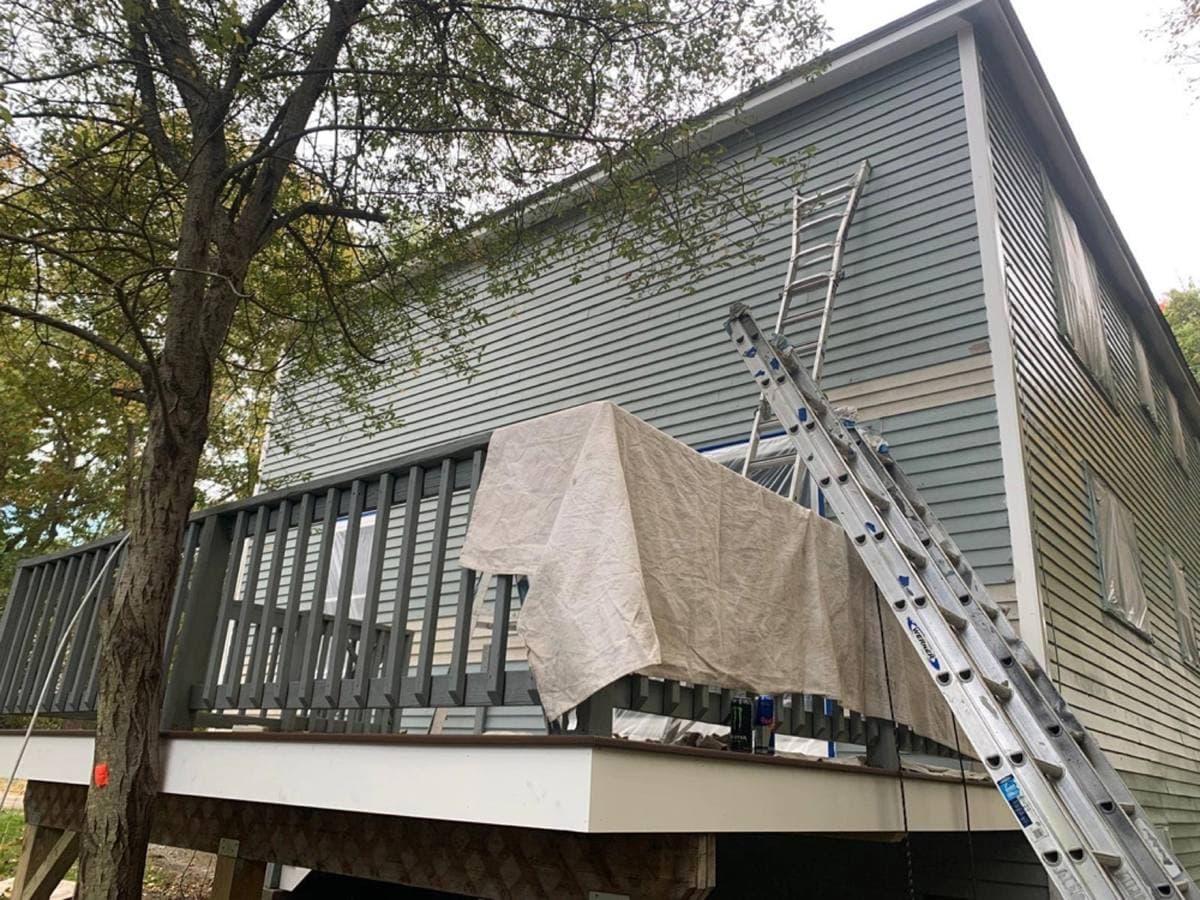
A huge share of the homes in Greater Boston were built before 1978, the year lead-based paint was banned for residential use in the United States. Somerville, Cambridge, and much of Boston are full of triple-deckers and Victorians from that era. If your home is one of them, there is a real chance lead paint is present under newer coats, especially on windows, doors, trim, and exterior surfaces.
This is not a reason to panic, but it is a reason to be informed. Lead paint that is intact and undisturbed is generally lower risk. The danger comes when it is disturbed: sanding, scraping, and demolition create lead dust, which is the main hazard, particularly for young children and pregnant women. This guide explains the risks, the Massachusetts rules, and how a repaint on an older home should be handled safely.
Why pre-1978 matters
Lead was added to paint for durability and color for decades. It was banned for residential use in 1978, so any home built before then may contain it. The older the home, the higher the likelihood and the higher the lead content tends to be. In Greater Boston's aging housing stock, this affects a large portion of single-family homes, condos, and multi-family buildings.
The presence of lead paint does not automatically make a home unsafe. Fully intact paint that no one is sanding or scraping poses a lower risk. Problems begin when paint is deteriorating, chipping, peeling, or chalking, or when a renovation or repaint disturbs it and releases dust and chips into the home and soil.
Certain spots deserve extra attention. Friction and impact surfaces, windows that slide in their frames, doors that rub, stair treads, and painted floors, tend to grind old paint into dust through normal use. Exterior trim and porches that have weathered for decades are also common trouble areas. Knowing where lead is most likely to be disturbed helps you and your painter plan the safest approach.
The real health risk: lead dust
The primary danger is not swallowing a paint chip, though that matters, it is invisible lead dust. Sanding, dry scraping, and using heat guns on old paint create fine dust that settles on floors, windowsills, and soil, where small children can ingest it through normal hand-to-mouth behavior. Even low levels of lead exposure can affect a child's development.
This is why the way old paint is handled matters so much. A careless repaint that grinds and sands lead paint without containment can leave a home more contaminated than before the work started. The goal of safe practices is to keep that dust contained, cleaned up, and out of the living space.
Massachusetts rules and the federal RRP rule
Massachusetts has its own lead law, one of the stricter frameworks in the country, particularly regarding rental properties and homes where young children live. On top of that, federal law requires that contractors who disturb painted surfaces in pre-1978 housing follow lead-safe work practices under the EPA's Renovation, Repair, and Painting (RRP) rule.
In practice, that means the painter should be trained and certified in lead-safe practices, should contain the work area, avoid dust-generating methods where possible, and clean up thoroughly. Homeowners hiring for work on an older home should ask whether the contractor follows lead-safe practices. This is a fair and important question, and a professional will have a clear answer. Requirements can change, so confirm the current rules with your contractor or the state.
How to know if you have lead paint
You cannot tell by looking. Lead paint is usually buried under later coats. The reliable ways to find out are testing: a certified lead inspector or risk assessor can test surfaces, and there are also EPA-recognized test methods used before renovation work. If you are buying or renovating an older Greater Boston home, especially with children in the household, testing is worth considering.
One visual clue on older exteriors and trim is 'alligatoring' or a distinctive chalky, cracked pattern, but this is only a hint, not a diagnosis. When in doubt on a pre-1978 home, the safe assumption is that lead may be present and the work should be handled accordingly.
How a safe repaint on an older home works
Repainting a home with lead paint is completely doable, and often the safest option is to properly encapsulate sound old paint under new coats rather than aggressively strip it. The keys are containment and dust control: protecting floors and soil, using wet methods or HEPA-equipped tools instead of dry sanding, sealing off work areas, and doing a thorough HEPA vacuum and wet cleanup afterward.
Loose and peeling lead paint does need to be dealt with, since it is already a hazard, but a trained crew does this in a controlled way rather than sending dust through the house. The result is a fresh, durable finish and a home that is cleaner and safer than a rushed job would leave it.
What to ask before hiring for an older home
Before work starts on any pre-1978 Massachusetts home, ask the painter directly: are you familiar with lead-safe work practices, how will you contain dust, and how will you protect my family and the yard during the job? A contractor experienced with older Greater Boston homes will answer these plainly and factor safe practices into the plan.
We work on older homes across Somerville, Cambridge, and greater Boston regularly, so lead-safe handling is part of the conversation from the estimate onward. If your home predates 1978, mention it when you book your free estimate so we can plan the safest approach for your project.
Frequently asked questions
- How do I know if my Massachusetts home has lead paint?
- If it was built before 1978, assume lead paint may be present, usually under newer coats. You cannot tell by looking. Certified lead inspectors and EPA-recognized test methods can confirm it. Testing is especially worth it for older Greater Boston homes with young children.
- Is it safe to paint over lead paint?
- Yes, when done correctly. Encapsulating sound, intact lead paint under fresh coats is often the safest approach. The key is controlling dust: using wet methods or HEPA tools instead of dry sanding, containing the area, and cleaning up thoroughly. Loose or peeling lead paint must be handled carefully, not ground off without containment.
- What is the main danger of lead paint?
- Invisible lead dust, created by sanding, scraping, or demolition. It settles on floors, sills, and soil where young children can ingest it. Intact, undisturbed paint poses a lower risk. That is why how the old paint is handled during a repaint matters so much.
- Do painters have to follow lead rules on older homes?
- For work that disturbs painted surfaces in pre-1978 housing, federal law (the EPA RRP rule) requires lead-safe work practices, and Massachusetts has its own lead law on top of that. Ask any contractor whether they follow lead-safe practices before work begins on an older home; requirements can change, so confirm current rules.
Found this helpful? Make us a preferred source on Google.
Ready for an exact price?
Get a free, no-pressure in-home estimate. Real numbers for your home, not a phone guess.